Bladder control issues affect an estimated 1 in 3 women at some point in their lives — yet they remain one of the most underreported and undertreated health concerns in women's wellness. The experience is familiar to millions: the sudden urgency that leaves no time to reach a bathroom, the unexpected leak during a laugh or a sneeze, the disrupted sleep from multiple nighttime bathroom trips, the daily anxiety about whether this is the moment your body will embarrass you. These are not simply inconveniences. They are symptoms of an underlying physiological disruption: an overactive bladder muscle, an imbalanced urinary microbiome, and a compromised pelvic floor environment that botanical and probiotic intervention can meaningfully address.
What drives this disruption is increasingly well understood. Chronic low-grade urinary tract inflammation, an overgrowth of gram-negative bacteria in the urogenital microbiome, pelvic floor muscle weakness, and smooth muscle hyperactivity in the detrusor (bladder wall muscle) all contribute to the cycle of urgency, frequency, and leakage that defines overactive bladder syndrome. The encouraging scientific reality is that all four of these mechanisms have specific, well-studied botanical and probiotic interventions with published evidence for effectiveness — interventions that work synergistically in a daily supplement protocol.
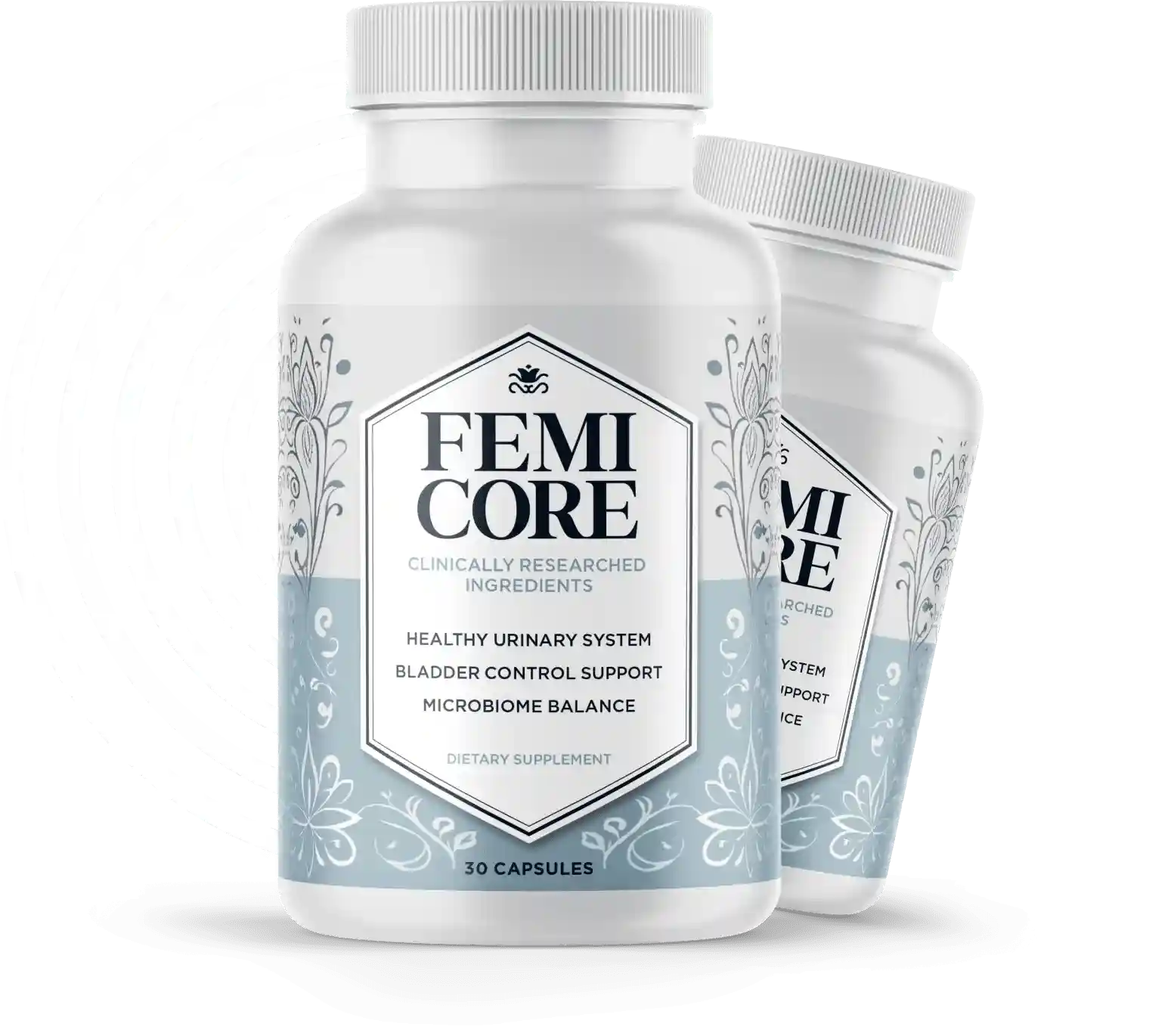
FemiCore is a 9-ingredient daily capsule formulated specifically for women's bladder and urinary health. It combines four evidence-backed botanical and micronutrient compounds with five targeted Lactobacillus strains in a single once-daily morning dose. In this comprehensive femicore review, we examine every ingredient and the science supporting it, evaluate the formula's design against the known mechanisms of bladder dysfunction, review genuine customer experiences, assess pricing and value, and give an honest verdict on who this product is right for in 2026.
🌸 Quick Take: FemiCore is a 9-ingredient daily bladder and urinary health capsule for women, combining Mimosa Pudica, Bearberry, Cranberry Extract, Granular Berberine, and five Lactobacillus strains (Crispatus, Acidophilus, Plantarum, Gaseri, Casei). Take one capsule every morning with a large glass of water. Non-GMO, no stimulants, natural formula. 3 digital bonus eBooks with 6-bottle order. 60-day money-back guarantee. Free shipping on 3+ bottles. Pricing from $49–$79 per bottle. 19,263+ verified customer reviews.
What Is FemiCore? A Complete Product Overview
FemiCore is a once-daily dietary supplement capsule designed to address the root physiological drivers of women's bladder control problems: overactive bladder muscle contractions, urinary microbiome imbalance, bacterial adhesion to the bladder wall, and urinary tract inflammation. The formula is built around two complementary ingredient categories — botanical compounds (Mimosa Pudica, Bearberry, Cranberry Extract, Granular Berberine) for direct anti-inflammatory, antimicrobial, and smooth-muscle-calming effects, and five precisely selected Lactobacillus probiotic strains that work at the urogenital microbiome level to restore the protective lactic acid bacterial environment that guards against pathogenic overgrowth.
The product is manufactured as a natural, non-GMO formula with no stimulants or habit-forming substances. It is sold through the official website with no subscription requirement, and all orders are protected by a 60-Day Money-Back Guarantee. Three-bottle and six-bottle orders receive free US shipping, and six-bottle orders include three instant-access digital bonus eBooks.
What makes FemiCore's approach distinctive is its dual targeting of the urinary environment: botanical compounds addressing the acute inflammatory and bacterial adhesion dimensions of bladder dysfunction, while probiotic strains work cumulatively to restore the urogenital microbiome's natural Lactobacillus-dominant balance — the bacterial ecology that healthy women's urinary tracts are characterized by and whose disruption underlies the chronic recurrence of urinary symptoms. This two-track strategy reflects the emerging scientific understanding that bladder issues in women are fundamentally a microbiome and inflammatory problem as much as a mechanical one, and that sustainable relief requires addressing both simultaneously rather than repeatedly treating symptoms in isolation.
Bladder Muscle Calming
Mimosa Pudica's alkaloids act as natural smooth muscle relaxants targeting the detrusor — the bladder wall muscle whose overactivity drives urgency and involuntary contractions. By modulating the cholinergic signals that trigger premature and excessive detrusor contractions, Mimosa Pudica works to reduce the urgency and frequency that interrupt daily life and cause leakage.
Bacterial Anti-Adhesion
Cranberry Extract's A-type proanthocyanidins (PACs) interfere with the fimbriae (surface appendages) that pathogenic bacteria — particularly E. coli — use to adhere to bladder wall epithelial cells. By preventing adhesion rather than killing bacteria directly, PACs reduce colonization without contributing to antibiotic resistance, with published evidence supporting their role in reducing UTI recurrence frequency.
Urogenital Microbiome Restoration
Five targeted Lactobacillus strains — Crispatus, Acidophilus, Plantarum, Gaseri, and Casei — work to restore the Lactobacillus-dominant urogenital microbiome that is characteristic of healthy bladder and vaginal environments. These strains produce lactic acid and hydrogen peroxide that suppress pathogenic bacteria, reduce urinary pH to a more protective range, and reinforce the mucosal barrier against recurring pathogen colonization.
Urinary Tract Antimicrobial Defense
Bearberry (Uva Ursi) and Granular Berberine provide complementary antimicrobial defense at the urinary tract level. Bearberry's arbutin metabolizes to hydroquinone in alkaline urine, delivering direct antibacterial activity in the urinary tract. Berberine inhibits the quorum-sensing pathways that coordinate bacterial biofilm formation — the structured bacterial communities on bladder surfaces that confer antibiotic resistance and enable chronic UTI recurrence.
FemiCore Ingredients: All 9 Compounds Explained
FemiCore's nine-ingredient formula divides into two synergistic tracks: four botanical and micronutrient compounds addressing acute bladder muscle overactivity, bacterial adhesion, and urinary tract inflammation; and five probiotic Lactobacillus strains restoring the urogenital microbiome from the ground up. Here is a thorough scientific examination of every ingredient and the evidence base behind its inclusion:
Mimosa Pudica
Mimosa Pudica — the sensitive plant known botanically for its distinctive leaf-folding response to touch — contains alkaloids and flavonoids with documented smooth muscle relaxant properties, particularly relevant to the detrusor muscle of the bladder wall. Overactive detrusor muscle is the primary mechanical driver of urgency urinary incontinence: the bladder contracts before it reaches capacity, triggering urgent, uncontrollable signals that often outrun voluntary sphincter control. Mimosa Pudica's alkaloid fraction modulates the cholinergic receptor pathways that govern detrusor contraction frequency and intensity — reducing the hypersensitivity that drives involuntary contractions without fully suppressing normal voluntary bladder function. Research published in Journal of Ethnopharmacology has examined Mimosa Pudica's smooth muscle effects across multiple tissue types. Its inclusion as the formula's primary smooth-muscle-calming agent addresses the most acute symptomatic dimension of bladder overactivity — the urgency and leakage that disrupts daily confidence and social participation.
Bearberry (Uva Ursi — Arctostaphylos uva-ursi)
Bearberry (Uva Ursi) is one of the most extensively used traditional botanical remedies for urinary tract health in both European and Native American herbal medicine traditions, with a pharmacological record anchored by its principal active compound, arbutin. Arbutin is a glycoside that undergoes hydrolysis and enzymatic conversion in the urinary tract to hydroquinone — a compound with direct, documented antibacterial activity against the common uropathogens responsible for recurrent urinary tract infections, including Escherichia coli, Staphylococcus aureus, Proteus mirabilis, and Pseudomonas aeruginosa. The conversion of arbutin to its active hydroquinone form is most efficient in alkaline urine — a consideration suggesting that avoiding acidifying foods during supplementation can support the formula's antibacterial effectiveness. Beyond its antimicrobial action, bearberry contains ursolic acid and tannins with anti-inflammatory effects on urinary tract epithelium, reducing the mucosal irritation that contributes to urgency symptoms independently of active infection. The National Center for Complementary and Integrative Health (NCCIH) recognizes Bearberry as a traditionally used urinary herb with active pharmacological investigation, noting the arbutin-to-hydroquinone mechanism as its primary documented antibacterial pathway.
Cranberry Extract (Vaccinium macrocarpon)
Cranberry Extract is the most broadly researched botanical ingredient for urinary tract health, with a substantial body of randomized controlled trial evidence specifically for reducing UTI recurrence frequency. The active compounds are A-type proanthocyanidins (PACs) — a specific class of polyphenol found uniquely in high concentrations in cranberries among common fruits — that interfere with the lectin-mediated adhesion mechanism that pathogenic bacteria, primarily uropathogens like E. coli, use to colonize bladder wall epithelial cells. Without adhesion, bacteria cannot establish the colonization required for clinical infection — they are flushed out by normal urination rather than establishing the persistent communities that drive recurring UTI symptoms. This anti-adhesion mechanism is distinct from antibiotic activity: PACs do not kill bacteria and therefore do not contribute to antibiotic resistance, making cranberry supplementation a complementary strategy that works synergistically alongside rather than competing with Bearberry's direct antimicrobial effects. A Cochrane systematic review of cranberry for UTI prevention confirmed statistically significant reductions in UTI recurrence in women with recurrent infections, supporting cranberry's inclusion as a core ingredient in FemiCore's anti-adhesion strategy.
Granular Berberine
Granular Berberine is included in FemiCore for its biofilm-disrupting mechanism — a critical but often overlooked dimension of chronic UTI management. Bacterial biofilms are structured microbial communities attached to bladder surfaces and encased in a protective polysaccharide matrix, conferring resistance to both host immune responses and antibiotic treatment 100–1,000 times greater than their free-floating (planktonic) counterparts. Biofilm formation is the primary explanation for the chronic recurrence of UTI-associated bladder symptoms despite apparently successful antibiotic treatment. Berberine inhibits the quorum-sensing chemical signaling that coordinates bacterial community formation, disrupting biofilm establishment at the initiation stage. Berberine also demonstrates direct antimicrobial activity against uropathogens, suppresses the NF-κB inflammatory signaling pathway that drives urinary tract mucosal inflammation, and modulates the urinary microbiome toward the Lactobacillus-dominant balance associated with urinary health in women. The granular formulation provides enhanced bioavailability over standard berberine powder. Its combination with the five Lactobacillus strains in FemiCore creates a compound strategy: Berberine disrupts pathogenic biofilms while the probiotic strains colonize the cleared urogenital environment with protective bacteria.
Lactobacillus Crispatus
Lactobacillus crispatus is the dominant beneficial bacterial species in the healthy female urogenital microbiome and is widely considered the gold-standard probiotic strain for vaginal and urinary health restoration. It produces copious quantities of lactic acid — lowering urogenital pH to levels hostile to most uropathogens — and bacteriocins that directly inhibit competing bacteria. Research published in BMC Infectious Diseases has associated high L. crispatus colonization with the lowest rates of bacterial vaginosis, UTI recurrence, and urogenital pathogen carriage. When L. crispatus is displaced by pathogenic species — an event triggered by antibiotic use, hormonal shifts, sexual activity, or dietary changes — the urogenital environment becomes vulnerable to uropathogen colonization. Its targeted inclusion in FemiCore addresses the foundational microbial basis of bladder vulnerability in women: restoring the dominant protective species that healthy urogenital environments are defined by.
Lactobacillus Acidophilus
Lactobacillus acidophilus is the most broadly researched probiotic strain in human health, with specific documented applications in urogenital health alongside its well-established roles in gut and immune function. It produces hydrogen peroxide (H₂O₂) — which at the urogenital surface creates a bactericidal environment toxic to gram-negative uropathogens while being tolerated by host epithelial cells — and stimulates local secretory IgA production, strengthening the mucosal immune barrier against pathogen adhesion. L. acidophilus colonization supports the mucosal barrier integrity that prevents pathogen translocation from the perianal and vaginal environments into the urethra and bladder, addressing the ascending infection pathway responsible for most recurrent cystitis in women. It works in complement with L. crispatus as a secondary lactic acid producer, deepening the acidic urogenital environment that disrupts pathogen colonization.
Lactobacillus Plantarum
Lactobacillus plantarum is included for its particularly strong anti-inflammatory and mucosal barrier-reinforcing properties, addressing the chronic urinary tract inflammation that underlies ongoing urgency and discomfort even in the absence of active infection. It produces anti-inflammatory cytokines including IL-10 and reduces pro-inflammatory TNF-α at mucosal surfaces, reducing the chronic low-grade urinary tract inflammation that sensitizes the bladder to premature contraction. L. plantarum produces both lactic acid and bacteriocins with broad-spectrum antimicrobial activity, adding a third competitive exclusion mechanism alongside L. crispatus and L. acidophilus. It has also been shown to adhere strongly to intestinal and urogenital epithelium, establishing long-lived colonies that maintain protective effects between doses rather than requiring continuous high-dose supplementation.
Lactobacillus Gasseri
Lactobacillus gasseri is one of the four dominant Lactobacillus species in the healthy vaginal microbiome alongside L. crispatus, L. iners, and L. jensenii. Its inclusion creates a more complete simulation of the healthy urogenital bacterial ecology rather than relying on a single dominant species. L. gasseri produces gassericin A — a class IId bacteriocin with potent and narrow-spectrum inhibitory activity against vaginal and urinary uropathogens — complementing the broader bacteriocin activity of other strains. Research published in the European Journal of Clinical Nutrition has also documented L. gasseri's association with reduced visceral fat in controlled trials — a secondary benefit relevant given that abdominal adiposity increases intra-abdominal pressure on the bladder, worsening stress incontinence and urgency. Its multi-mechanism role in both urogenital microbiome ecology and metabolic health makes it a particularly valuable inclusion in a women's comprehensive urinary health formula.
Lactobacillus Casei
Lactobacillus casei is included to address the gut-bladder axis — an underappreciated pathway through which gut microbiome dysbiosis contributes to urinary microbiome vulnerability. The ascending UTI pathway is not only perianal-to-urethral; systemic inflammatory signals from an imbalanced gut microbiome can suppress local urogenital immune function and reduce secretory IgA production at urinary mucosal surfaces. L. casei is one of the most potent gut-immune-priming probiotic strains, stimulating systemic immune surveillance and IgA production that benefits mucosal surfaces throughout the body, including the urinary tract. It also demonstrates specific inhibitory activity against E. coli adhesion in gut epithelial models — the same adhesion-inhibition mechanism that benefits the bladder wall when protective bacteria colonize the urogenital environment. Including L. casei extends FemiCore's probiotic strategy beyond the urogenital tract alone, addressing the systemic immune and gut-microbiome dimensions of recurrent UTI vulnerability.
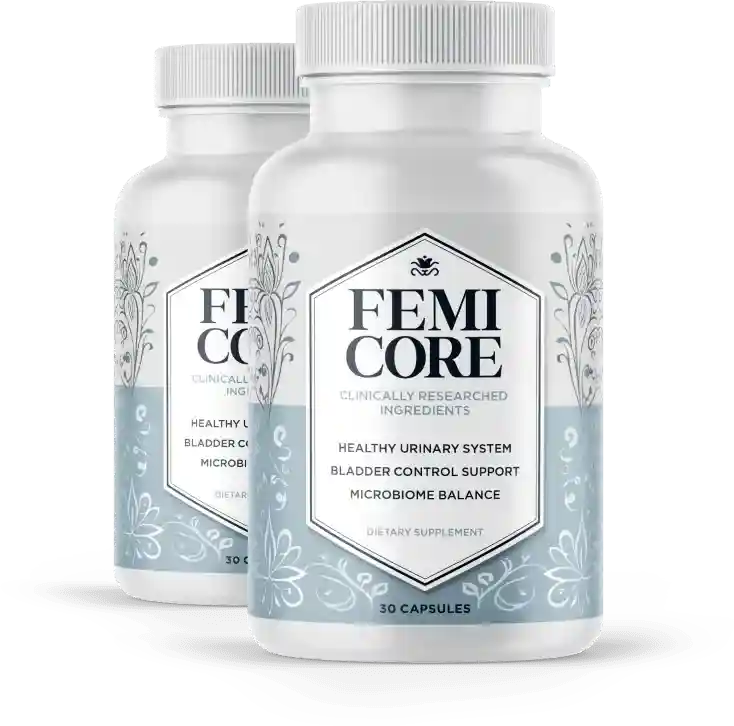
Taken together, FemiCore's nine ingredients address bladder dysfunction from four distinct physiological angles that conventional single-mechanism approaches miss: the smooth muscle overactivity dimension (Mimosa Pudica), the bacterial adhesion and direct antimicrobial dimension (Cranberry PACs, Bearberry, Berberine), the urogenital microbiome restoration dimension (L. Crispatus, L. Acidophilus, L. Plantarum, L. Gasseri), and the gut-bladder immune axis dimension (L. Casei, Berberine). This multi-angle, multi-mechanism strategy reflects the scientific reality that chronic bladder dysfunction in women is not a single-pathway problem — it is a systems disruption requiring coordinated intervention at every relevant biological level.
Blood sugar dysregulation and urinary tract vulnerability are closely linked — elevated blood glucose creates a glucose-rich urinary environment that actively promotes uropathogen growth and suppresses urogenital immune function. Adults managing both concerns may find value in reviewing our detailed analyses of HoneyHarmony and Vivo Tonic alongside a dedicated bladder supplement. The gut microbiome is the master regulator of systemic immune function and directly influences urogenital bacterial ecology through the gut-vaginal microbiome axis — our review of Villora daily gut support examines a targeted gut microbiome formula popular among women interested in comprehensive microbiome health. For sleep disruption driven by nighttime urinary urgency — nocturia is one of the most common bladder symptoms driving poor sleep quality — our review of The Downshift sleep program examines non-supplement approaches to restoring restorative sleep cycles that bladder issues interrupt.
FemiCore Pros and Cons
Pros
- Mimosa Pudica — smooth muscle calming for detrusor overactivity + urgency
- Bearberry (arbutin) — direct urinary antibacterial against common uropathogens
- Cranberry PACs — anti-adhesion mechanism proven in multiple RCTs for UTI prevention
- Berberine — biofilm disruption + quorum-sensing inhibition + microbiome balance
- L. Crispatus — the gold-standard urogenital probiotic species for healthy women
- L. Acidophilus — H₂O₂ production + mucosal IgA + ascending infection defense
- L. Plantarum — anti-inflammatory + strong epithelial adherence + long-lived colonies
- L. Gasseri — gassericin A bacteriocin + visceral fat association + complete ecology
- L. Casei — gut-bladder axis + systemic immune priming
- Simple once-daily morning dose with water
- Non-GMO, no stimulants, no habit-forming substances
- 3 bonus eBooks with 6-bottle order (~$793 combined stated value)
- 60-day money-back guarantee
- 19,263+ verified customer reviews at 4.8/5
- Free shipping on 3+ bottles · no subscription
Cons
- Ingredient mg doses not publicly disclosed (proprietary blend)
- No finished-product clinical trial
- Bearberry not recommended for prolonged consecutive use in some guidelines — kidney concerns
- Berberine may interact with antibiotics and blood sugar medications
- Probiotic results build over weeks, not days
- Not recommended during pregnancy or breastfeeding without MD clearance
- Results vary with hydration habits, diet, and lifestyle factors
- Only available through the official website
FemiCore Customer Reviews: Real Women's Experiences
FemiCore has accumulated over 19,000 verified customer reviews at a 4.8/5 average — a scale of real-world feedback that makes it one of the most broadly reviewed bladder support supplements currently available. The pattern in customer reports is consistent with the known cumulative mechanisms of the formula's probiotic and botanical ingredients.
"I had been dealing with leakage for two years and was too embarrassed to mention it to anyone. After six weeks on FemiCore the urgency is significantly reduced and the unexpected leaks have almost completely stopped. The difference in my confidence day to day is remarkable."
"I tried other bladder supplements with no results. FemiCore is the first one that actually worked for me. By week four I was sleeping through the night without multiple bathroom trips. I've ordered the 6-bottle package to keep going."
"The recurring UTIs were ruining my quality of life — I'd had four in one year before I found FemiCore. It has been four months since my last infection. I still can barely believe it after years of this. Worth every penny."

The pattern across reviews reflects FemiCore's two-track mechanism: early responders notice reduced urinary urgency and improved nighttime continuity within the first 2–3 weeks — these are the initial signals of Bearberry's antibacterial effects and Mimosa Pudica's smooth-muscle calming taking effect. The deeper structural improvements in microbiome balance, reduced UTI recurrence, and sustained bladder confidence develop over 6–10 weeks as the five Lactobacillus strains establish durable urogenital colonies. Customers who report the most significant transformations are consistently those who complete the full 90-day+ commitment — the timeline that the probiotic strains need to reach stable, persistent colonization.
Nerve health is an overlooked dimension of pelvic floor and bladder control — the pudendal and pelvic nerves that govern sphincter and bladder muscle coordination can be affected by nutritional deficiencies and chronic inflammation. Our reviews of NerveHoney and Nervecept cover nerve support formulas relevant to women whose bladder control challenges are complicated by nerve-related pelvic floor dysfunction. Eye health and urinary health share a common metabolic vulnerability — oxidative stress and microvasculature compromise — which is why adults concerned about multiple systems often look at comprehensive antioxidant support; our review of VisiVra and VisiFlora cover the vision health dimension of systemic wellness. For respiratory health concerns that frequently co-occur with pelvic floor weakness — the pressure spikes from chronic coughing can worsen stress incontinence — our reviews of VapoLung and Breathiterol examine botanical respiratory support relevant to women managing pelvic floor vulnerability alongside respiratory symptoms.
FemiCore Bonuses: What You Get with 6-Bottle Orders
Six-bottle FemiCore orders include three instant-access digital bonus eBooks at no extra cost, delivered digitally immediately after purchase and yours to keep even if you request a refund under the 60-day guarantee. Combined stated value: $793.
- 17 Days To Rekindle The Passion In Your Marriage — $199 valueA guide to restoring intimacy and connection in long-term relationships, particularly relevant for women whose bladder and pelvic floor concerns have affected confidence and intimate life — a dimension of wellbeing that bladder dysfunction impacts profoundly but that is rarely addressed in medical settings.
- 2Reset Your Gut: Perfect Digestion While Eating Your Favorite Foods — $397 valueA comprehensive nutritional guide to restoring gut microbiome health and reducing digestive discomfort — complementary to FemiCore's urogenital probiotic strategy given the established gut-vaginal microbiome axis and the role of gut dysbiosis in urogenital pathogen vulnerability.
- 3Unlock Painless Hips & Legs: The Complete Lower Body Mobility Blueprint — $197 valueA movement and mobility guide targeting hip and leg pain relief through targeted stretching, strengthening, and mobility protocols — directly relevant to women whose pelvic floor and bladder health intersects with hip and lower body tightness that affects pelvic muscle balance and continence control.
FemiCore Pricing and Packages
FemiCore is available in three packages from the official website, all backed by the 60-day guarantee with no subscription required:
Best Value Pack
The 6-bottle Best Value package at $49/bottle is selected by 96% of FemiCore customers — a meaningful signal that experienced users prioritize the full cumulative timeline the formula's probiotic strains need to establish durable urogenital colonies. The 180-day supply covers the complete evaluation period comfortably, and the per-bottle price reduction of $30 versus the Basic pack represents significant long-term savings. Free shipping and three bonus eBooks (~$793 combined value) are included. The 60-day guarantee provides a risk-free evaluation window covering the first two months of the 6-month supply. The 3-bottle Most Popular pack at $69/bottle with free shipping offers a 90-day commitment for new users who prefer a smaller initial investment before committing to the longer supply.
Support Your Bladder Health Naturally with FemiCore
9 active ingredients · once-daily morning capsule · 60-day guarantee · 3 bonus eBooks with 6-bottle order · non-GMO · no stimulants · natural formula
Get FemiCore at the Official Price →The 60-Day Money-Back Guarantee
60-Day Money-Back Guarantee
Every FemiCore order is protected by a 60-Day Money-Back Guarantee. If you are not satisfied with your results within 60 days of purchase, contact the support team through the official website, return all bottles (empty or not) with the packing slip to the return address provided, and receive a full refund. This 60-day window is timed to cover the cumulative period that FemiCore's botanical and probiotic ingredients need to establish their urogenital effects: Bearberry and Cranberry operate within the first 2–4 weeks; the five Lactobacillus strains build durable urogenital colonies over 4–8 weeks of consistent daily use. Using the full 60-day window as an evaluation period — combined with consistent once-daily morning dosing and adequate hydration — gives the formula the best conditions to demonstrate its effect before you make a long-term commitment. The guarantee removes all financial risk from that evaluation.
Scientific Rationale: What Does Published Research Say?
FemiCore's individual ingredients carry a credible collective external evidence base for the mechanisms of bladder and urinary health they address. No finished-product randomized controlled trial exists for FemiCore specifically — which is true of the vast majority of dietary supplement formulas — but the individual ingredients have documented pharmacological mechanisms with published human research.
Cranberry Extract's anti-adhesion mechanism is the most broadly validated, confirmed in multiple randomized controlled trials and a Cochrane systematic review finding statistically significant reductions in UTI recurrence in women with recurrent infections. Bearberry's arbutin-to-hydroquinone antibacterial mechanism is acknowledged in NCCIH's herbal pharmacology review. Berberine's biofilm-disrupting effects are supported by published laboratory and clinical studies in infectious disease journals. The specific urogenital health benefits of L. crispatus are confirmed in observational studies and pilot trials in women with recurrent UTI and bacterial vaginosis published in BMC Infectious Diseases and BJOG. Mimosa Pudica's smooth muscle effects have been documented in ethnopharmacological research published in the Journal of Ethnopharmacology.
What this external literature confirms is that each FemiCore ingredient has a documented phytochemical or microbiological rationale for the specific bladder-health mechanism it addresses, lending scientific plausibility to the formula's multi-mechanism approach.
FemiCore Frequently Asked Questions
Our Verdict: Is FemiCore Worth It in 2026?
After a thorough review of FemiCore's nine-ingredient formula, the external scientific literature on its key compounds, its pricing and guarantee structure, and its exceptional verified customer review volume — our assessment is that FemiCore represents a genuinely comprehensive, well-designed botanical and probiotic approach to women's bladder and urinary health in 2026.
The formula's standout strength is its dual-mechanism architecture: botanical ingredients (Cranberry PACs, Bearberry, Berberine) addressing the acute bacterial adhesion and antimicrobial dimensions of bladder vulnerability, combined with five precisely selected Lactobacillus strains that work at the deeper urogenital microbiome level to restore the protective bacterial ecology that sustainable bladder health depends on. This is precisely the approach that the emerging science of the urogenital microbiome suggests is most effective for chronic, recurrent bladder issues in women — not repeated symptomatic treatment, but durable microbiome restoration that removes the underlying vulnerability to recurring infection and urgency episodes.
The honest limitations: individual mg doses are not disclosed; no finished-product clinical trial exists; Bearberry warrants a physician consultation for women with kidney conditions; probiotic results require patient daily consistency over several weeks; and pregnant/breastfeeding women need MD clearance. These are standard considerations for a botanical supplement formula.
For the millions of women dealing with the daily confidence impact of bladder leaks, urgency, and recurring urinary discomfort — the 60-day guarantee provides a risk-free evaluation window to discover what this nine-ingredient formula can do for their bladder health and quality of life. The 6-bottle Best Value package provides the optimal supply for the cumulative evaluation that FemiCore's probiotic and botanical mechanisms require.
Try FemiCore Risk-Free — 60-Day Guarantee
Mimosa Pudica · Bearberry · Cranberry · Berberine · 5 Lactobacillus Strains. Once-daily morning capsule. 3 bonus eBooks. Free shipping on 3+ bottles.
Order FemiCore at the Official Price →Disclosure: CaresDigest may earn an affiliate commission if you purchase FemiCore through links on this page. This does not affect our editorial independence or the integrity of our review. These statements have not been evaluated by the Food and Drug Administration. FemiCore is not intended to diagnose, treat, cure, or prevent any disease. Individual results may vary. FemiCore is a dietary supplement and is not a replacement for prescribed medication or medical treatment for diagnosed urinary conditions. Always consult a qualified healthcare provider before starting any new dietary supplement, particularly if you are pregnant, nursing, taking prescription medications, or have a diagnosed medical condition including kidney disease, urinary tract disorders, or diabetes.