Ask any neurologist or cognitive researcher what the brain needs most to perform at its peak — and you'll rarely hear the same two answers. That's because the brain is a metabolically complex organ that draws on fundamentally different physiological systems simultaneously: cellular energy production in neurons, neurotransmitter synthesis and signaling, structural maintenance of nerve fiber myelin sheaths, synaptic plasticity that allows the formation and retrieval of memories, and neuroprotective mechanisms that defend neural tissue from oxidative and inflammatory damage over decades of use.
What makes many conventional brain supplements fall short isn't their intentions — it's their ingredient strategy. The most common approach stacks botanical extracts at token doses — a few milligrams of Bacopa here, a trace of Ginkgo there — without addressing the foundational biochemical deficits that actually drive cognitive decline in modern adults: inadequate brain ATP energy replenishment, insufficient acetylcholine precursor availability, diminished synaptic magnesium that reduces long-term potentiation efficiency, and the creeping Vitamin D3 and B12 deficiencies that epidemiological data shows affect tens of millions of American adults and correlate directly with accelerated cognitive aging.
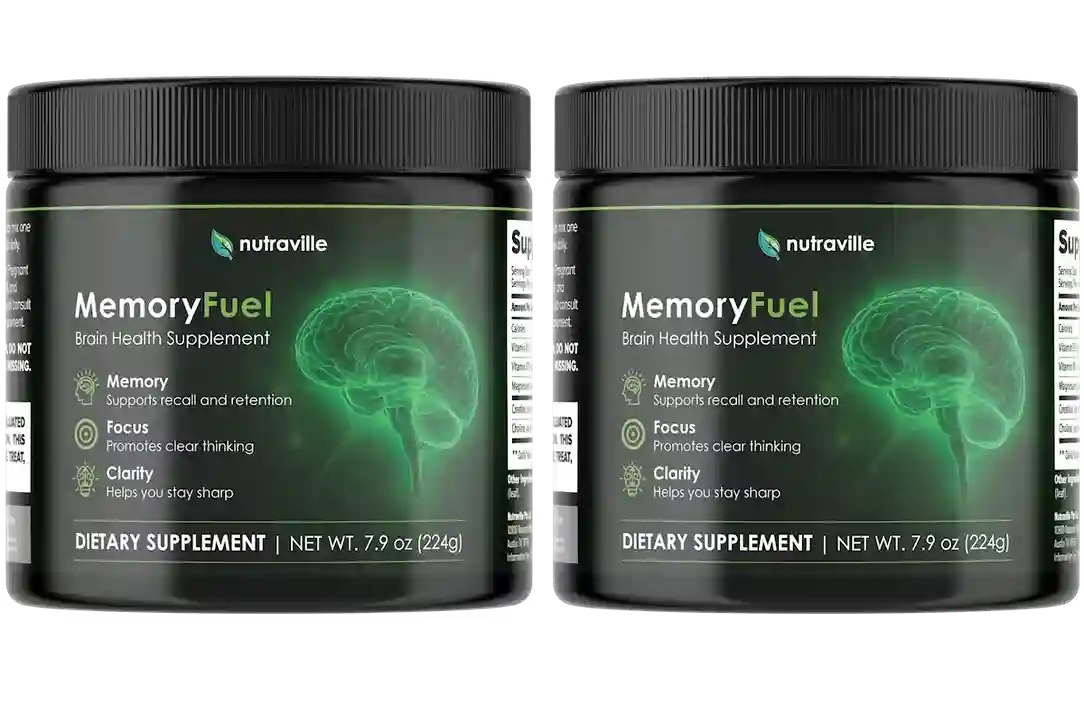
MemoryFuel by Nutraville takes a different approach. Rather than hedging across a dozen botanical ingredients at borderline-effective amounts, the memoryfuel formula concentrates on five core brain-performance nutrients — each at a dosage that reflects the clinical research on that nutrient rather than the minimum necessary to appear on a label. The standout is Creatine Monohydrate at a full therapeutic 5,000 mg per scoop — a dose that brain creatine researchers use in human trials and that is conspicuously rare in brain supplements, which typically use 500–1,000 mg of creatine if they include it at all. This in-depth memoryfuel review examines each ingredient's mechanism, the research evidence, the formula's design logic, and what real users say — giving you everything you need to make an informed decision.
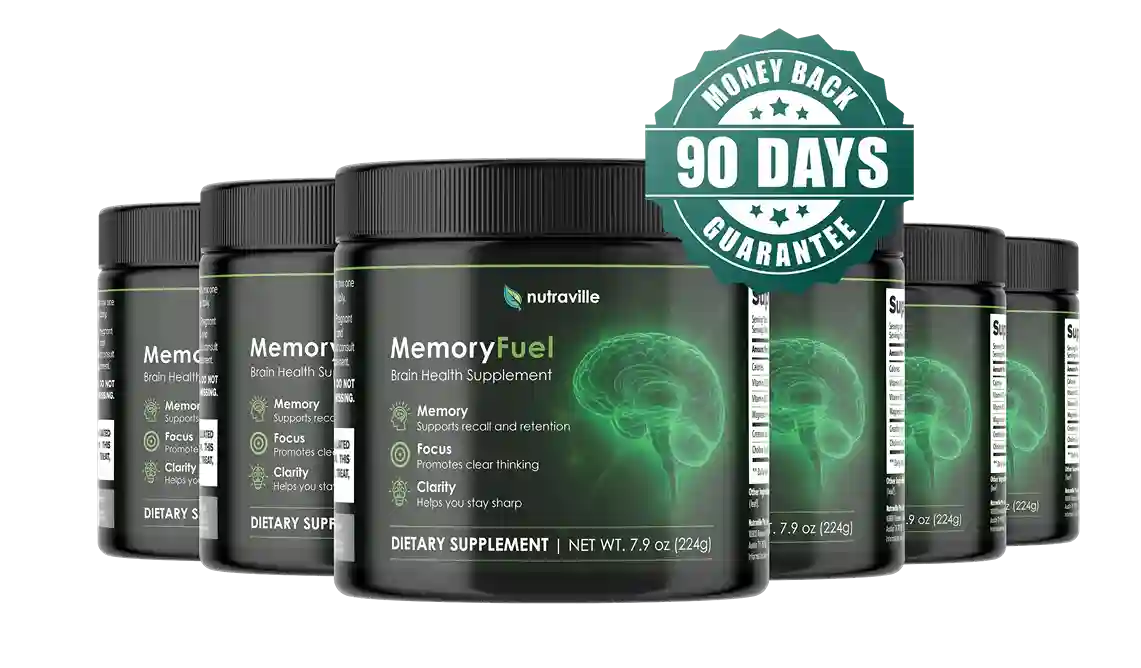
🟤 Quick Take: MemoryFuel is a daily brain health powder by Nutraville delivering five foundational cognitive performance nutrients per scoop: Creatine Monohydrate (5,000 mg) for cerebral ATP energy, Choline Bitartrate (300 mg) as acetylcholine precursor, Magnesium Glycinate (300 mg) for synaptic plasticity, Vitamin D3 (50 mcg / 2,000 IU) for neuroprotection, and Vitamin B12 (25 mcg / 1,042% DV) for myelin and methylation. One scoop daily in water. Plant-based, non-GMO, stimulant-free. Pricing: $69/bottle (2-pack) · $59/bottle (4-pack) · $49/bottle (6-pack, Best Value, free US shipping). 90-day money-back guarantee.
What Is MemoryFuel? The Science Behind the Formula Design
MemoryFuel is a daily cognitive support powder supplement manufactured by Nutraville, the same brand behind several other health supplement products. The formula is delivered in a powdered scoop format rather than capsules — a distinction that matters for creatine specifically, which at a full 5-gram therapeutic dose would require ten or more capsules daily and is far more practically delivered as a powder mixed with water.
The memoryfuel supplement positions itself around what could be called a "foundational deficit" philosophy — rather than stacking fashionable botanical nootropics, it identifies the five most research-supported nutritional gaps that drive real-world cognitive decline in American adults and addresses each with a clinically meaningful dose. This approach reflects emerging consensus in cognitive nutrition research: that brain fog, memory lapses, word-finding difficulty, and reduced mental stamina in midlife adults are often not signs of irreversible neurodegeneration but rather consequences of correctable nutritional deficiencies and metabolic inefficiencies that the brain's high energy demands expose first.
For perspective on how the creatine-for-brain-energy approach compares to other cognitive support strategies — including botanical adaptogens and gut-brain axis interventions — our review of RhythmONE examines a 9-nutrient capsule built around Schisandra, Lion's Mane, Bacopa monnieri, Shilajit, and Gotu Kola, addressing neural antioxidant protection, neurogenesis, and the gut-brain barrier pathway that is distinct from MemoryFuel's energy-and-precursor-focused approach. The two formulas address different root mechanisms and may serve different cognitive profiles.
Dosing Format: One Scoop Daily in Water
MemoryFuel is a powder supplement. Each serving = one scoop mixed into 6–8 ounces of cold or room-temperature water or another beverage. Take once daily — morning preferred, as the formula is stimulant-free and creatine loading benefits are most relevant during the active cognitive day. No capsule-count hassle: the 5,000 mg creatine dose that drives the formula's core mechanism would require 10+ large capsules — the powder format makes the full clinical dose practical and palatable. Stir or shake for 15–30 seconds until dissolved. Can be taken with or without food.
Pillar 1: Cerebral ATP Energy (Creatine)
The brain is the most metabolically demanding organ per gram of tissue in the body — neurons require constant ATP to maintain membrane potentials, synthesize and release neurotransmitters, power synaptic transmission, and drive memory consolidation. Creatine's phosphocreatine system provides the fastest ATP replenishment mechanism available to cells. Brain creatine levels directly correlate with cognitive performance, working memory, and processing speed in human studies.
Pillar 2: Acetylcholine Precursor Supply (Choline)
Acetylcholine is the primary neurotransmitter of memory encoding and retrieval — it drives hippocampal synaptic transmission, attention modulation, and the cholinergic signaling that the Alzheimer's field has targeted for decades. Choline availability is the rate-limiting step in acetylcholine synthesis: without adequate dietary choline (which over 90% of American adults fail to consume at adequate levels), acetylcholine production is throttled regardless of cholinergic receptor density.
Pillar 3: Synaptic Plasticity Infrastructure (Magnesium)
Magnesium is an essential co-agonist of NMDA receptors — the glutamatergic synaptic gates that govern long-term potentiation (LTP), the cellular mechanism of learning and memory formation. Brain magnesium depletion — extremely common in modern diets — reduces NMDA-dependent LTP efficiency, impairing the synaptic strengthening that makes memories stick. The glycinate chelate form in MemoryFuel has superior blood-brain barrier penetration compared to magnesium citrate or oxide.
Pillar 4: Neuroprotection & Myelin (Vitamin D3 + B12)
Vitamin D3 (cholecalciferol) acts as a nuclear hormone receptor in neurons — directly influencing neuroprotective gene expression, neurotrophic factor synthesis, and neurotransmitter pathway regulation. Vitamin B12 (methylcobalamin) is essential for myelin sheath synthesis and one-carbon metabolism — B12 deficiency, affecting 20–40% of adults over 50, produces measurable cognitive decline through hyperhomocysteinemia that damages brain vasculature and directly through demyelination of central nervous system pathways.
MemoryFuel Ingredients: Full Breakdown With Research
| Ingredient | Form | Dose per Scoop | Primary Brain Role |
|---|---|---|---|
| Creatine | Creatine Monohydrate | 5,000 mg | ATP phosphocreatine energy replenishment |
| Choline | Choline Bitartrate (DL) | 300 mg | Acetylcholine precursor, cell membrane phospholipid |
| Magnesium | Magnesium Glycinate | 300 mg | NMDA co-agonist, synaptic plasticity, LTP |
| Vitamin D3 | Cholecalciferol | 50 mcg (2,000 IU) | Neuroprotection, neurotrophic factor synthesis |
| Vitamin B12 | Methylcobalamin | 25 mcg (1,042% DV) | Myelin synthesis, homocysteine metabolism |
Creatine is best known as a sports performance supplement for its ATP replenishment in skeletal muscle — but it has an equally critical and less-discussed role in the brain. Neurons are among the most ATP-demanding cells in the body: they require continuous energy to maintain sodium-potassium membrane potentials, power axonal transport, synthesize and package neurotransmitters, support synaptic transmission, and drive memory consolidation processes in the hippocampus. The phosphocreatine/creatine kinase system provides the fastest buffering mechanism for neuronal ATP, particularly during the high-frequency neural firing that cognitive tasks demand. Critically, the brain synthesizes only about 10–20% of its creatine needs endogenously — the rest must come from dietary intake or supplementation. A landmark randomized controlled trial published in the British Journal of Nutrition (Rae et al., 2003 — PubMed) found that 5,000 mg/day of creatine monohydrate for six weeks produced significant improvements in working memory and intelligence test performance in healthy young adults. A 2022 meta-analysis in Nutrients (PMC) confirmed creatine supplementation's consistent positive effects on memory and cognitive processing speed, particularly under conditions of sleep deprivation, mental fatigue, and aging. The 5,000 mg dose in MemoryFuel is precisely the therapeutic dose used in positive human cognitive trials — not the token 500–1,000 mg seen in capsule-format brain supplements.
Choline is an essential nutrient that the Institute of Medicine has designated as "essential" because the body cannot synthesize it in sufficient quantities from first principles — dietary intake is required, yet National Health and Nutrition Examination Survey data consistently shows that over 90% of American adults fail to meet the Adequate Intake (AI) for choline. The consequences of choline insufficiency in the brain are direct and measurable: acetylcholine synthesis is choline-limited, meaning that when choline is scarce, the cholinergic neurons that modulate attention, encode memories in the hippocampus, and support cortical arousal cannot sustain adequate acetylcholine release. The basal forebrain cholinergic system — the same system targeted by acetylcholinesterase inhibitor drugs like donepezil in Alzheimer's treatment — is functionally dependent on dietary choline availability. Additionally, choline is the precursor to phosphatidylcholine, the primary phospholipid of neuronal cell membranes, whose synthesis and turnover are essential for membrane fluidity, signal transduction, and the myelin repair processes that cognitive aging requires. DL-choline bitartrate (the form in MemoryFuel) is a stable, water-soluble choline salt with well-established absorption characteristics, making it effective in a powdered drink format.
Magnesium serves a unique and irreplaceable role in learning and memory at the synaptic level: it acts as the voltage-dependent block of NMDA (N-methyl-D-aspartate) glutamate receptors — the postsynaptic gates through which long-term potentiation (LTP) is established. LTP is the cellular mechanism of memory formation: when a synapse repeatedly fires, the magnesium block of NMDA receptors is displaced, calcium enters the postsynaptic neuron, and signaling cascades are triggered that physically strengthen the synaptic connection — making the memory more durable and accessible. Magnesium deficiency, which estimates suggest affects 45–60% of American adults, reduces the efficiency of this process by disrupting NMDA receptor function and reducing the signal-to-noise ratio of synaptic strengthening events. Supplemental magnesium also supports stress regulation via the HPA axis, reduces cortisol-induced hippocampal damage, and improves sleep quality — all of which are independent contributors to memory and cognitive performance. The glycinate form (magnesium bonded to the amino acid glycine) has superior bioavailability compared to magnesium oxide or citrate and excellent GI tolerability. Glycine itself is an inhibitory neurotransmitter and NMDA co-agonist at the glycine-B site, so the glycinate chelate provides dual-pathway NMDA support. A published human trial in the Journal of Neuroscience (Slutsky et al., PubMed) found that increasing brain magnesium levels significantly improved short-term synaptic facilitation and long-term potentiation in hippocampal and prefrontal cortex circuits.
Vitamin D3 (cholecalciferol) is far more than a bone-health vitamin — its active form, 1,25-dihydroxyvitamin D (calcitriol), acts as a steroid hormone in the brain through nuclear vitamin D receptors (VDRs) found throughout the hippocampus, cerebellum, and cortex. Through VDR activation, Vitamin D3 regulates the expression of genes involved in neuroprotection (calbindin, neurotrophins), neurotransmitter synthesis (dopamine, serotonin, acetylcholine pathway enzymes), and anti-inflammatory cytokine modulation in glial cells. Vitamin D deficiency — affecting an estimated 40–50% of American adults, rising to 70–80% in Black and Hispanic adults — correlates strongly with cognitive decline, dementia risk, depression, and neurodegenerative disease in large epidemiological studies. A systematic review in Neurology (Llewellyn et al., PubMed) found that severe Vitamin D deficiency was associated with more than double the risk of dementia and Alzheimer's disease. The 2,000 IU (50 mcg) dose per scoop is within the range endorsed by The Endocrine Society for adults with suboptimal levels — meaningful, without approaching the 4,000 IU daily upper limit that requires medical supervision.
Vitamin B12 (methylcobalamin) is essential for two brain-critical biochemical pathways. First, it serves as a cofactor for methionine synthase — the enzyme that converts homocysteine to methionine in the methylation cycle. Elevated homocysteine (which results from B12 and folate deficiency) is neurotoxic: it damages cerebral blood vessels, induces neuronal DNA damage, impairs DNA repair and methylation, and is associated with accelerated brain atrophy, white matter lesions, and cognitive decline in numerous large population studies. Second, B12 is required for myelin synthesis — the production and maintenance of the fatty myelin sheaths that insulate axons and allow fast, efficient signal conduction between brain regions. Demyelination manifests clinically as cognitive slowing, memory impairment, and mood disturbances. B12 deficiency affects 10–15% of adults overall and rises to 20–40% in adults over 50 — often silently, since symptoms develop gradually. The methylcobalamin form (as stated on the official site) is the neurologically active form and does not require liver conversion from cyanocobalamin, making it the preferred form for direct neurological use. The 1,042% DV dose (25 mcg) reflects the common supplementation practice of providing excess water-soluble B12, as absorption efficiency is variable and no adverse effects from high B12 intake have been established.
What the Published Research Shows About MemoryFuel's Ingredients
Creatine and working memory — human RCT evidence: The Rae et al. 2003 randomized controlled trial (PubMed) remains one of the most cited in brain creatine research: 5,000 mg/day creatine monohydrate for 6 weeks improved working memory and fluid intelligence in healthy young adults vs placebo. A subsequent meta-analysis in Nutrients (PMC) analyzing multiple RCTs confirmed the consistent positive effect on memory, particularly during mental fatigue and cognitive stress. These are the most directly relevant human trials to MemoryFuel's featured ingredient at its featured dose.
Magnesium and synaptic plasticity: The Slutsky et al. study in the Journal of Neuroscience (PubMed) demonstrated that elevating brain magnesium enhances synaptic facilitation and long-term potentiation in hippocampal and prefrontal cortex slices — confirming the NMDA-dependent plasticity mechanism that makes magnesium's presence critical for learning and memory formation.
Vitamin D3 and cognitive decline/dementia: The Llewellyn et al. systematic review in Neurology (PubMed) found that severe Vitamin D deficiency was associated with 2.25× increased risk of Alzheimer's disease and 2.22× increased risk of all-cause dementia over six years of follow-up — establishing the epidemiological link that underpins Vitamin D3 inclusion in cognitive support formulas targeting older adults.
Choline and acetylcholine in memory: The choline-acetylcholine pathway's role in memory encoding is so well-established that it has underpinned FDA-approved Alzheimer's drug development for three decades. Epidemiological data consistently links dietary choline insufficiency — the norm in American adult diets — to measurable cognitive performance deficits and elevated dementia risk, providing strong rationale for supplemental choline as a foundational cognitive support nutrient.
Important caveat: The above is research on individual ingredients at relevant doses. No independent clinical trial of MemoryFuel as a finished combined product exists. These are not claims that MemoryFuel will treat, cure, or prevent any disease. These statements have not been evaluated by the FDA.
How to Use MemoryFuel for Best Results
The MemoryFuel daily protocol is simple by design — one scoop per day, mixed in water. Here's how to maximize results through consistent, well-timed use:
- Mix one scoop in 6–8 oz of water: Stir or shake until fully dissolved (15–30 seconds). Cold or room-temperature water both work. The powder can also be added to a protein shake, smoothie, or any other cold beverage — heat above 60°C may degrade the creatine monohydrate.
- Take in the morning: The formula is completely stimulant-free, so it won't interfere with sleep at any time of day. Morning dosing is preferred because creatine's ATP support is most relevant during the active cognitive day — and because building a consistent morning habit drives the daily compliance that all five ingredients require to accumulate their cumulative benefits.
- Stay hydrated: Creatine monohydrate draws water into cells, including neurons — optimal creatine loading requires adequate hydration. Drink at least 8 glasses of water daily while supplementing with creatine at any dose.
- Commit to 60–90 days: Creatine brain loading is established within 7–14 days. Choline and magnesium tissue levels equilibrate over 2–4 weeks. Vitamin D3 blood levels normalize over 4–8 weeks in deficient individuals. Full cumulative benefit across all five nutrients requires consistent daily use over 60–90 days. The 4-bottle and 6-bottle packages are the most scientifically appropriate commitment windows.
- No cycling needed: Unlike some sports creatine protocols, brain creatine supplementation does not require loading/cycling phases. Daily consistent supplementation at 5g maintains elevated brain phosphocreatine levels without the loading and tapering protocols used for muscle-focused applications.
MemoryFuel vs. Other Brain Supplements: Why the Powder Format and Creatine Dose Matter
The memoryfuel formula occupies a genuinely distinctive position in the 2026 cognitive support supplement market. The vast majority of brain supplements are delivered in capsule form at two to four capsules per dose — a format that makes the inclusion of a full 5,000 mg creatine serving physically impossible without an impractical ten-capsule daily dose. By using a powder format, MemoryFuel unlocks an ingredient dose that simply cannot be matched in a capsule product, which is why most capsule brain supplements either skip creatine entirely or include it at functionally negligible 100–500 mg amounts that bear no resemblance to what published human cognitive trials use.
For comparison, the brain supplement landscape in 2026 includes capsule-format nootropics built around botanical adaptogens and mushroom extracts. Our reviews of Phytomem One and RhythmONE cover adaptogens like Bacopa monnieri, Lion's Mane, Schisandra, and Shilajit — ingredients that address neurogenesis, neuroprotection, the gut-brain axis, and cholinergic signal preservation through phytochemical mechanisms distinct from MemoryFuel's energy-and-precursor approach. Memory Wave represents a completely different modality — an audio brainwave entrainment program rather than a supplement — worth considering as a complementary non-supplement cognitive support strategy.
For individuals whose cognitive concerns cluster around metabolic factors — energy depletion, neurotransmitter precursor insufficiency, micronutrient deficiency — MemoryFuel's design philosophy is well matched. Individuals seeking neuroprotection against oxidative damage, neurogenesis support, or gut-brain axis intervention may find botanical-focused capsule formulas more directly aligned with those goals, potentially making the two approaches complementary rather than competing. For broader health support that affects brain performance upstream — cardiovascular health driving cerebral blood flow, blood sugar stability driving neuronal fuel availability — our reviews of HoneyHarmony, Vivo Tonic, and Cardio Slim Tea are relevant reading. For sleep quality — which may be the most underrated modifiable factor in cognitive performance — our reviews of The Downshift and Zeneara's Valerian/Passion Flower sleep support are worth reading alongside this MemoryFuel review.
MemoryFuel Timeline: What to Expect Week by Week
Days 7–14: Creatine Loading and Initial Mental Energy Shift
Brain phosphocreatine levels rise during the first 7–14 days of consistent 5g daily creatine supplementation. Many users notice the first shift during mentally demanding tasks — the sensation of mental fatigue arrives later and less suddenly, the cognitive "wall" that normally appears during afternoon work or high-stakes thinking tasks is less sharp. This early creatine effect is the most reliable early signal the formula is working, as brain creatine loading is rapid and reproducible. Adequate hydration during this phase is important — creatine draws water into cells.
Weeks 3–5: Choline Replenishment and Acetylcholine Pathway Support
Choline tissue levels build over 2–4 weeks of daily supplementation in individuals with pre-existing dietary choline gaps. As acetylcholine synthesis becomes better supported, users in this phase often report improvements in word recall and name retrieval — the cholinergic memory encoding and retrieval functions that are most sensitive to choline availability. The magnesium glycinate's effects on sleep quality and stress reactivity also typically emerge in this window, as magnesium equilibration across the 3–4 week mark can improve sleep depth and cortisol reactivity.
Weeks 6–8: Vitamin D3 and B12 Tissue Optimization
In Vitamin D-deficient individuals — the majority of American adults — 2,000 IU daily takes 4–8 weeks to meaningfully raise serum 25-hydroxyvitamin D levels toward the optimal 40–60 ng/mL range. As D3 levels rise, neuroprotective and neurotrophic factor expression improves progressively. Vitamin B12's methylation support and homocysteine-lowering effects accumulate over this same window. Users in this phase who had significant D3 or B12 insufficiency may notice the most substantial cognitive improvements — brain fog clearing, sustained mood stability, improved mental endurance across the full workday.
Months 3+: Cumulative Multi-Nutrient Cognitive Foundation
With 3+ months of daily use, all five nutritional pillars have been addressed with accumulated depth. Brain phosphocreatine is consistently maintained, choline availability supports sustained acetylcholine synthesis, magnesium glycinate supports NMDA receptor plasticity and sleep quality, Vitamin D3 neuroprotection is at full effect, and B12-dependent methylation protects against homocysteine accumulation and myelin degradation. Users at this stage describe the effect not as a sudden boost but as a durable cognitive baseline that feels closer to how they performed 10–15 years earlier — sharper recall, more words accessible quickly, better sustained focus, and less of the mental fatigue that had become normalized.

MemoryFuel Pros and Cons
Pros
- Full clinical creatine dose (5,000 mg) — matches human RCT research
- Powder format makes 5g creatine practical (would need 10+ capsules)
- Magnesium Glycinate — most bioavailable, brain-penetrant form
- Vitamin B12 as methylcobalamin — neurologically active form
- Addresses five well-documented adult nutritional deficiencies
- Plant-based, non-GMO, stimulant-free, no proprietary blend hiding
- Ingredients tested for purity and contaminants
- Transparent scoop format — dose is consistent and verifiable
- 90-day money-back guarantee
- Manufactured by established brand (Nutraville)
- Simple one-scoop daily protocol — easy to maintain consistently
Cons
- No GMP certification explicitly stated on website
- No independent clinical trial for the finished MemoryFuel formula
- Official site FAQ references 6 ingredients; only 5 are named publicly
- Shorter 90-day guarantee vs industry leaders (some offer 180–365 days)
- Powder format less convenient for travel than capsules
- Free shipping only on 5+ bottle orders
- Choline bitartrate (DL form) — CDP-choline or Alpha-GPC would have higher CNS bioavailability
- Not for under 18, pregnancy, or nursing
MemoryFuel Customer Reviews
"I started MemoryFuel after noticing I was struggling to remember names and losing my train of thought mid-sentence at work. After about six weeks of daily scoops, the brain fog has lifted noticeably. I'm sharper in the morning and words come easier. I mix it in my morning water and it's become part of my routine."
"Three months in and I genuinely feel like my mental stamina has improved. I work in finance and need to stay sharp through long afternoons — MemoryFuel has helped with that sustained mental energy. The creatine dosage is proper at 5 grams, not the token amounts I've seen in other brain supplements."
"My husband bought this for me after I mentioned my memory wasn't what it used to be at 54. I've been on it for two months now — the word-finding has definitely improved and I feel mentally cleaner in the mornings. I wish the guarantee was longer than 90 days since it took 6 weeks to really notice a difference, but overall very satisfied."
MemoryFuel Pricing and Packages
6 Bottles
Try MemoryFuel — Full-Dose Brain Powder by Nutraville
Creatine 5,000 mg · Choline 300 mg · Magnesium Glycinate 300 mg · Vitamin D3 2,000 IU · Vitamin B12 1,042% DV · one scoop daily · stimulant-free · non-GMO
Order MemoryFuel at the Official Price →90-Day Money-Back Guarantee
90-Day Money-Back Guarantee
Every MemoryFuel purchase through the official website is backed by a 90-Day Money-Back Guarantee. If you're not satisfied with your results for any reason within 90 days of purchase, you can return the product — including opened bottles — for a full refund of the purchase price. Contact support@thememoryfuel.com or call 1-800-390-6035 to initiate a return. Sold exclusively via ClickBank secure checkout through the official site (thememoryfuel.com). Purchases from Amazon, eBay, or third-party retailers may not be covered by this guarantee. We recommend evaluating the formula for the full 60–90 day window before assessing your results, as the five nutritional pathways MemoryFuel addresses require consistent supplementation over this timeline to reach their cumulative effect.
Frequently Asked Questions About MemoryFuel
Our Verdict: Is MemoryFuel Worth Trying in 2026?
MemoryFuel earns genuine distinction in the crowded 2026 brain supplement market through one principled design decision: putting a clinically dosed ingredient at the formula's center and building around it. The 5,000 mg creatine monohydrate per scoop isn't a marketing addition — it's the dose that brain creatine researchers use in human RCTs and that produces measurable working memory improvements. The powder format exists specifically to make this dose practical. That design integrity is rare in the supplement category, and it makes MemoryFuel a credibly different product from the diluted multi-botanical capsules that dominate the space.
The supporting ingredients are well-chosen and address real prevalence gaps in American adult nutrition: choline insufficiency affects over 90% of adults, Vitamin D deficiency affects 40–50%, B12 deficiency rises sharply with age, and magnesium depletion is ubiquitous in modern Western diets. Any one of these deficiencies is capable of producing measurable cognitive performance decrements; most midlife adults experiencing memory decline and brain fog have several operating simultaneously. Addressing them in a single daily scoop is a sound foundational approach.
The honest limitations: no GMP certification is explicitly claimed, the 90-day guarantee is shorter than the best in the category, the official website references a sixth ingredient not publicly disclosed, and the finished formula lacks an independent clinical trial. These are real gaps — worth acknowledging. For individuals who want botanical neuroprotection, neurogenesis support, or the gut-brain axis pathway addressed, capsule formulas like RhythmONE or Phytomem One address those mechanisms better. MemoryFuel's strength is its energy and precursor foundation — a compelling complement to rather than replacement for botanical cognitive support.
Try MemoryFuel Risk-Free — 90-Day Guarantee
5-nutrient daily brain powder · Creatine 5,000 mg · Choline · Magnesium Glycinate · Vitamin D3 · Vitamin B12 · Nutraville · one scoop daily · non-GMO · plant-based · stimulant-free
Order MemoryFuel at the Official Price →Disclosure: CaresDigest may earn an affiliate commission if you purchase MemoryFuel through links on this page. This does not affect our editorial independence or the integrity of our review. These statements have not been evaluated by the Food and Drug Administration. MemoryFuel is not intended to diagnose, treat, cure, or prevent any disease. It is a dietary supplement. Individual results may vary. Adults taking prescription medications, those with kidney disease (creatine supplementation), vitamin D hypersensitivity, or any significant medical condition should consult their healthcare provider before use. Not for use during pregnancy or nursing or by those under 18 years of age. The guarantee covers official website (thememoryfuel.com) purchases only.