Tinnitus — the persistent perception of ringing, buzzing, hissing, clicking, or roaring in the ears without an external sound source — affects an estimated 15–20% of adults in the United States, making it one of the most prevalent sensory disorders in the country. For roughly 20 million Americans the experience is chronic, and for 2 million it is severe enough to significantly impair daily functioning, sleep quality, concentration, and emotional wellbeing. What makes tinnitus particularly frustrating for those who live with it is that conventional medicine still offers no FDA-approved cure — treatment options range from sound masking and cognitive behavioral therapy to hearing aids and drug therapies with inconsistent results, leaving a substantial population searching for supportive interventions.
What is increasingly understood about tinnitus is that it rarely has a single cause. Cochlear blood flow reduction — which limits oxygen and nutrient delivery to the sensitive hair cells of the inner ear — is one of the most studied contributing mechanisms. Oxidative stress accumulation in those hair cells drives a separate pathway of progressive auditory damage. Auditory nerve dysfunction, B-vitamin deficiency, zinc insufficiency, and chronic stress/cortisol elevation that neurologically amplifies tinnitus perception represent further dimensions. Addressing tinnitus from a supplements perspective means recognizing these multiple contributing pathways and selecting ingredients that speak to each.
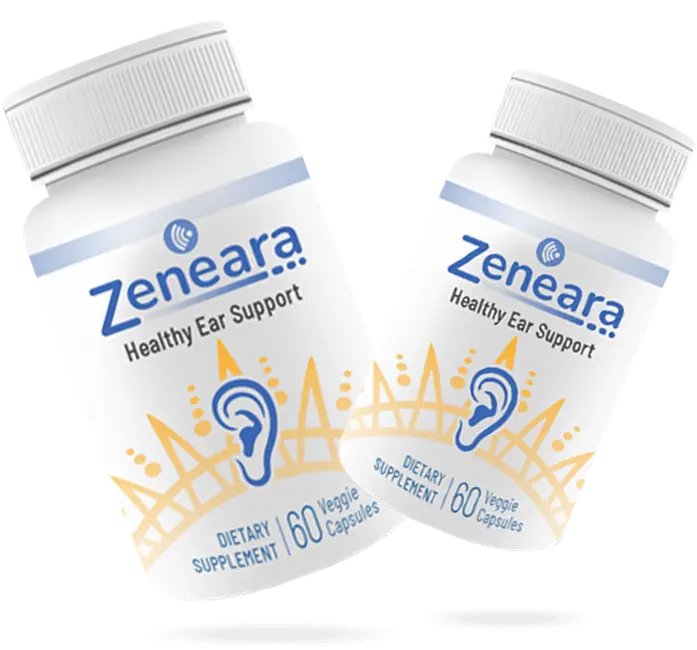
Zeneara is a 7-ingredient daily ear health and tinnitus support capsule built around this multi-pathway understanding. Its formula combines the most studied botanical for tinnitus in the peer-reviewed literature (Ginkgo Biloba), cochlear neuroprotective amino acids (Taurine), essential mineral cochlear integrity support (Zinc Citrate), auditory nerve B-vitamin (Vitamin B6), stress-axis interventions (Passion Flower Powder and Valerian Extract), and a probiotic strain blend addressing the emerging gut-immune-inflammation pathway that research increasingly links to tinnitus severity. In this in-depth zeneara review, we examine each ingredient's mechanism, the four-pathway design framework, the available science, and what real users report — giving you an honest, complete picture of where Zeneara fits in the 2026 ear health supplement landscape.
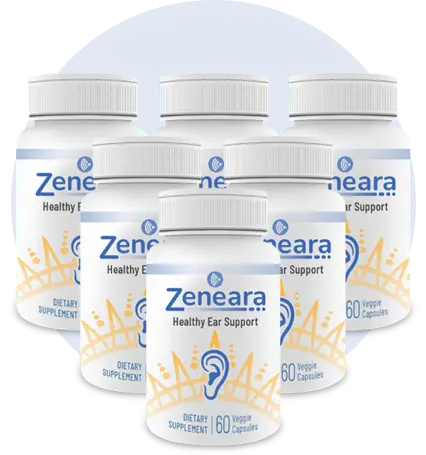
🔵 Quick Take: Zeneara is a 7-ingredient daily tinnitus and ear health capsule addressing four biological pathways: cochlear blood flow (Ginkgo Biloba), auditory nerve support (Vitamin B6 + Taurine), oxidative stress defense in ear hair cells (Taurine + Zinc Citrate), and stress/cortisol amplification of tinnitus (Passion Flower + Valerian). Probiotic Blend (L. paracasei + L. brevis) supports gut-immune-inflammation. Two capsules daily — 1 morning + 1 before bed. Plant-based, vegetarian, non-GMO, stimulant-free. GMP USA made. Pricing: $59/1 bottle · $49×3 ($147, free ship) · $39×6 ($234, free ship, Best Value). Bonus eBook with 3+ bottles. 365-day money-back guarantee.
What Is Zeneara? The 4-Pathway Tinnitus Protocol Explained
Zeneara is a daily ear health supplement designed as a multi-pathway protocol rather than a single-mechanism approach. The formula's design acknowledges that tinnitus and hearing discomfort have several independent contributing causes — each of which requires a different kind of biological intervention to address meaningfully.
The zeneara supplement positions itself around four evidence-informed pathways: improving cochlear blood flow and oxygenation (Ginkgo Biloba's primary mechanism of action — the best-studied botanical for tinnitus in the academic literature), protecting auditory nerve function (Vitamin B6 and Taurine), defending cochlear hair cells from oxidative stress accumulation (Taurine and Zinc Citrate), and reducing the stress/cortisol-driven amplification of tinnitus perception (Passion Flower and Valerian). The Probiotic Blend addresses the upstream inflammatory pipeline through the gut-immune-inflammation axis — a pathway that is increasingly studied for its connection to audiological health, as systemic inflammation has measurable effects on inner ear physiology.
For perspective on how the gut-inflammation connection relates to ear health, it is worth noting that we also identified this upstream gut-brain axis mechanism as one of the more innovative design choices in our review of RhythmONE, which uses Shilajit's fulvic acid for gut-brain LPS reduction in the context of cognitive decline. The same principle — that gut barrier integrity affects neurological tissue health through systemic inflammatory load — applies to the cochlea and auditory nerve as it does to the hippocampus and prefrontal cortex.
Pathway 1: Cochlear Blood Flow & Oxygenation
Ginkgo Biloba Extract leads this pathway. Its bilobalides and ginkgolides improve microvascular circulation — specifically the small capillary network supplying the stria vascularis and organ of Corti in the cochlea. Restricted cochlear blood flow is one of the most common precursors to both tinnitus onset and age-related hearing decline, as hair cells deprived of oxygen and nutrients undergo accelerated apoptosis. Ginkgo is the single most studied botanical for tinnitus in the peer-reviewed literature, with studies across multiple international populations.
Pathway 2: Auditory Nerve Support
Vitamin B6 (pyridoxine) and Taurine support the structural and functional integrity of the auditory nerve. B6 is essential for myelin synthesis — the fatty sheath protecting nerve fibers — and for neurotransmitter production including GABA and serotonin, both implicated in the central sensitization that makes tinnitus perception louder and more intrusive. Taurine provides additional neuroprotective support, acting as an inhibitory neuromodulator in cochlear and central auditory processing pathways.
Pathway 3: Oxidative Stress Defense in Ear Hair Cells
Cochlear hair cells — the irreplaceable sensory receptor cells of the inner ear — are uniquely vulnerable to oxidative stress from noise exposure, aging, ototoxic medications, and systemic inflammation. Taurine provides direct antioxidant defense in cochlear tissue, reducing reactive oxygen species (ROS) accumulation in hair cells. Zinc Citrate is an essential cofactor for SOD (superoxide dismutase), the primary antioxidant enzyme of the inner ear — zinc deficiency is associated with accelerated cochlear oxidative damage and elevated tinnitus severity.
Pathway 4: Stress & Cortisol Amplification Reduction
Chronic stress and elevated cortisol are well-documented tinnitus amplifiers: cortisol directly increases the neural gain (perceived loudness) of tinnitus through central auditory pathway sensitization, and stress-related hypervigilance creates a feedback loop where tinnitus awareness and distress escalate together. Passion Flower Powder and Valerian Extract address this pathway through GABA-ergic mechanisms — Passion Flower's chrysin and flavonoids bind GABA-A receptors, Valerian's valerenic acid modulates GABA-A signaling — reducing anxiety, cortisol reactivity, and improving sleep quality, which is frequently disrupted by tinnitus.
Zeneara Ingredients: All 7 Reviewed in Depth
Ginkgo Biloba is the most extensively studied botanical for tinnitus support in the peer-reviewed medical literature, with its primary mechanism being the improvement of microvascular blood flow through its bilobalide and ginkgolide terpenoids, which inhibit platelet-activating factor (PAF), reduce blood viscosity, and improve erythrocyte flexibility — allowing blood to flow more freely through the small capillaries of the cochlea. Its flavone glycosides (quercetin, kaempferol, isorhamnetin) provide antioxidant defense in cochlear tissue. Studies of Ginkgo biloba for tinnitus have produced mixed results, with the best evidence suggesting benefit for acute or vascular-origin tinnitus. A widely cited review published in the National Center for Biotechnology Information (NCBI) confirms Ginkgo as the most evidence-backed botanical for tinnitus support, while noting that benefit is most consistent in patients where tinnitus has a vascular/circulatory component, which represents a significant portion of sufferers.
Passion Flower (Passiflora incarnata) is a recognized botanical anxiolytic whose active flavonoids — chrysin, vitexin, isovitexin, and orientine — act as GABA-A receptor partial agonists and benzodiazepine-site modulators, increasing inhibitory GABA-ergic tone without the dependence risk of pharmaceutical anxiolytics. For tinnitus sufferers, this matters because chronic stress and anxiety are among the most potent amplifiers of tinnitus perception: elevated cortisol increases the central auditory gain (apparent loudness) of tinnitus, while hypervigilance to the sound creates a neurological feedback loop of distress and attention that makes the ringing progressively more intrusive. By reducing cortisol reactivity and anxiety activation, Passion Flower addresses this amplification pathway directly — not the tinnitus signal itself, but the neurological volume knob that determines how loudly it is perceived. A published double-blind trial documented in the Journal of Clinical Pharmacy and Therapeutics (PubMed) found Passiflora incarnata extract effective for generalized anxiety disorder with fewer adverse effects than oxazepam.
Vitamin B6 (pyridoxine) is an essential water-soluble vitamin serving as a cofactor in over 100 enzymatic reactions — including several of direct relevance to auditory nerve health and tinnitus. B6 is required for the synthesis of myelin, the protective sheath around auditory nerve fibers; demyelination of cochlear nerve fibers accelerates signal transmission errors that may manifest as phantom auditory perception (tinnitus). B6 is also the rate-limiting cofactor for the enzyme GAD (glutamic acid decarboxylase), which synthesizes the inhibitory neurotransmitter GABA from glutamate — a pathway directly relevant to tinnitus, as excess cochlear glutamate (excitotoxicity) is a known driver of auditory hair cell damage and tinnitus onset after acoustic trauma. Additionally, a clinical trial published in Clinical Nutrition (PubMed) found that combined antioxidant supplementation including B-vitamins reduced tinnitus intensity, supporting the rationale for including B6 in a tinnitus-focused formula.
Zinc is an essential trace mineral with established relevance to cochlear health and tinnitus. The cochlea has among the highest zinc concentrations of any organ in the body — zinc is required as a cofactor for superoxide dismutase (SOD), the primary antioxidant enzyme protecting cochlear hair cells from free radical damage. Zinc deficiency correlates with both accelerated cochlear oxidative damage and elevated tinnitus severity: multiple clinical observations and small studies have noted reduced serum zinc levels in tinnitus patients compared to controls, and zinc supplementation has produced improvements in tinnitus loudness and annoyance scores in zinc-deficient individuals. Zinc Citrate is used specifically over zinc sulfate or zinc oxide due to superior bioavailability — citrate chelation significantly improves intestinal zinc absorption compared to inorganic zinc salts. This is an important formulation distinction that reflects genuine attention to bioavailability engineering in the Zeneara formula.
Taurine is a conditionally essential amino acid — the most abundant free amino acid in the cochlea — with multiple roles in inner ear health. As a potent antioxidant, taurine scavenges hypochlorite and suppresses lipid peroxidation in cochlear tissue, protecting hair cells from the oxidative damage that drives progressive hearing loss and tinnitus. As an inhibitory neuromodulator, taurine acts on glycine receptors and GABA-B receptors in the cochlear nucleus and inferior colliculus, reducing the hyper-excitability of central auditory pathways that contributes to tinnitus loudness perception. Perhaps most importantly for noise-induced tinnitus, taurine provides direct protection against glutamate excitotoxicity — the neurotoxic cascade triggered in cochlear hair cells during acoustic trauma, in which excess glutamate release overstimulates AMPA and NMDA receptors, destroying the synaptic connections between hair cells and auditory nerve fibers. Animal model studies suggest taurine supplementation may partially protect against this damage and support subsequent synaptic recovery.
The Probiotic Blend in Zeneara — combining Lactobacillus paracasei and Lactobacillus brevis — addresses what may be the most underappreciated pathway in tinnitus support: the gut-immune-inflammation axis. The cochlea and auditory nerve are exquisitely sensitive to systemic inflammation: inflammatory cytokines (TNF-α, IL-1β, IL-6) cross the blood-labyrinthine barrier and directly impair cochlear hair cell function, disrupt the stria vascularis endocochlear potential, and sensitize central auditory pathways. Lactobacillus paracasei is among the best-studied probiotic strains for gut barrier integrity and systemic anti-inflammatory cytokine modulation — it supports gut epithelial tight junction proteins, reducing bacterial LPS translocation into the bloodstream that drives systemic inflammation. Lactobacillus brevis produces the greatest amounts of GABA of any probiotic strain, providing both gut-local GABAergic calming effects and potentially systemic GABAergic support relevant to the anxiety-tinnitus amplification cycle.
Valerian (Valeriana officinalis) root extract contains valerenic acid, isovaleric acid, and a family of iridoid valepotriates — compounds that act as positive allosteric modulators of GABA-A receptors, inhibiting the enzymatic breakdown of GABA and thereby increasing its inhibitory tone in the central nervous system. For tinnitus sufferers, Valerian's most critical contribution is to sleep quality: tinnitus-related sleep disruption is one of the most significant quality-of-life impacts of the condition, and poor sleep is itself a tinnitus amplifier through its effects on stress reactivity, cortisol dysregulation, and central auditory hypervigilance. By improving sleep onset and sleep depth through GABA-ergic calming (complementing Passion Flower's anxiolytic contribution through the same GABAergic pathway), Valerian breaks one of the key perpetuating cycles that keeps tinnitus perception severe: the ringing disrupts sleep → poor sleep raises cortisol → elevated cortisol amplifies the ringing → awareness and distress increase → cortisol remains elevated → worse sleep follows.
What Published Research Reveals About Zeneara's Key Ingredients
As with all dietary supplement reviews, it is important to distinguish between clinical evidence for individual ingredients — which is what published research covers — and clinical evidence for Zeneara as a finished combined product, for which no independent trial exists.
Ginkgo Biloba and tinnitus: Ginkgo is the most studied botanical for tinnitus in peer-reviewed literature. A monograph at NCBI confirms its relevance for vascular-origin tinnitus. Results across studies are mixed, with the most consistent benefit seen in patients with concurrent vascular insufficiency, acoustic trauma history, or circulatory-component tinnitus — which represents a substantial subset of tinnitus sufferers.
Zinc and tinnitus severity: Multiple clinical observations have noted reduced serum zinc in tinnitus patients vs. controls. A review published in the American Journal of Otolaryngology (PMC) examined the zinc-tinnitus relationship and found that zinc supplementation produced measurable reductions in tinnitus loudness in zinc-deficient patients, with the evidence strongest in older adults where zinc deficiency is most prevalent.
Passion Flower anxiety trial: A double-blind RCT published in the Journal of Clinical Pharmacy and Therapeutics (PubMed) found Passiflora incarnata extract as effective as oxazepam for generalized anxiety disorder, with fewer adverse effects and no impairment of job performance — establishing Passion Flower's clinical anxiolytic credibility and its relevance to tinnitus through the stress-amplification pathway.
Taurine and cochlear protection: Animal model research has documented taurine's protective effects against noise-induced cochlear damage and its role as an inhibitory neuromodulator in central auditory pathways. Its antioxidant effects in cochlear tissue are well characterized. Human clinical trial data for taurine in tinnitus specifically remains limited, though its biochemical role in cochlear health is established.

How to Use Zeneara: Daily Protocol
Take One Capsule in the Morning
The two-capsule daily protocol is intentionally split across the day. Take the first Zeneara capsule in the morning — with breakfast or shortly after. The morning dose delivers the daytime-active components: Ginkgo Biloba's circulatory support (which benefits from active daytime blood flow), Vitamin B6's neurotransmitter production support (which requires nutritional cofactor availability during waking cognitive activity), and the Probiotic Blend's gut-immune support (which is most active during the feeding period and daytime metabolic activity). Taking with food improves tolerability and may modestly improve absorption of fat-soluble components.
Take the Second Capsule Before Bed
The evening capsule is specifically designed for the nighttime context. Passion Flower and Valerian Extract provide GABAergic calming to ease the anxiety and stress that tinnitus amplifies in the quiet of the night, support healthy sleep onset, and reduce the cortisol reactivity that disrupts sleep architecture. Taurine's inhibitory neuromodulatory effects on central auditory pathways may also reduce the perceived loudness of tinnitus in the quiet pre-sleep period, which is often when tinnitus is most distressing. The Zinc Citrate is included at this dose to maximize overnight cellular repair and immune activity during the main recovery period.
Commit to at Least 3 Months for Cumulative Benefits
Ginkgo Biloba's circulatory effects build gradually over weeks of daily supplementation. Probiotic colonization and gut-immune axis modulation require consistent daily dosing over 4–8 weeks before meaningful systemic anti-inflammatory effects accumulate. Zinc restoration in zinc-deficient individuals takes several weeks of daily supplementation. The cumulative antioxidant defense in cochlear hair cells — Taurine and Zinc together reducing ongoing oxidative damage — requires sustained supplementation rather than acute loading. The manufacturer recommends 3–6 months of consistent use. The 365-day guarantee makes this commitment financially risk-free.
Consult Your Physician If Taking Blood Thinners or Sedative Medications
Ginkgo Biloba has mild antiplatelet properties — if you take warfarin, aspirin, clopidogrel, or other anticoagulants, discuss Ginkgo use with your prescriber before starting. Valerian and Passion Flower both potentiate GABA-ergic activity — if you take sedatives, benzodiazepines, sleep medications, or anticonvulsants, physician consultation is required before combining. Any new, one-sided, pulsatile, or rapidly worsening tinnitus, or tinnitus with sudden hearing loss or dizziness, should be evaluated by an ENT or audiologist before supplementation, as these may indicate underlying conditions requiring medical intervention.
Zeneara Results Timeline: What to Expect Week by Week
Weeks 1–2: Sleep Quality, Stress Reactivity, and Early Circulatory Support
The most rapidly acting components in Zeneara are Passion Flower and Valerian, whose GABAergic effects on sleep quality and anxiety are typically noticed within the first 1–2 weeks of consistent evening dosing. Users in this phase commonly report sleeping more easily despite the tinnitus, feeling less distressed by the ringing, and finding the nighttime experience less overwhelming. These early changes reflect the stress-amplification pathway being addressed first — not the tinnitus itself, but the neurological reaction to it. Ginkgo Biloba's circulatory effects begin accumulating.
Weeks 3–5: Cochlear Blood Flow and Probiotic Gut-Immune Effects
Ginkgo Biloba's microvascular improvements become more established, with improved cochlear oxygenation beginning to support the metabolic health of remaining functional hair cells. Probiotic colonization of L. paracasei and L. brevis reaches meaningful levels in the gut microbiome; initial reductions in systemic inflammatory cytokine load may become detectable for sensitive individuals as a generalized sense of reduced neurological noise and improved baseline mental clarity. For users whose tinnitus has a primary vascular or inflammatory component, this phase may bring the first perceptible changes in tinnitus volume or frequency.
Weeks 6–8: Antioxidant Defense and Neurological Recalibration
Taurine and Zinc Citrate's cumulative antioxidant defense in cochlear tissue has built to meaningful levels. Zinc levels in zinc-deficient users have approached normal range, restoring SOD function in the inner ear. Vitamin B6's support of myelin and neurotransmitter balance has accumulated. Users typically report tinnitus episodes becoming less constant or less prominent — particularly in the quiet evening context, where the interplay of Passion Flower + Valerian's sleep support and the antioxidant/neuroprotective components creates the most noticeable composite effect.
Month 3+: Cumulative Multi-Pathway Ear Health Support
With 3+ months of consistent daily use, all four pathways have been addressed with cumulative depth. Cochlear blood flow is consistently supported, antioxidant defense in hair cells is maintained, the gut-immune inflammation load is reduced, and the stress-tinnitus amplification cycle has been persistently interrupted by Passion Flower and Valerian. Users in the 3–6 month range report the most significant changes in tinnitus management — not necessarily elimination, but meaningful reduction in perceived loudness, frequency, and distress impact on daily life and sleep.
Zeneara vs. Other Ear Health Supplements
The 2026 ear health supplement market is populated primarily by products with single-mechanism approaches — most commonly Ginkgo Biloba alone, or combinations of vitamins without the stress/sleep axis interventions. Zeneara is notable for its inclusion of both a stress-axis intervention (Passion Flower + Valerian) and a probiotic gut-immune component — dimensions that most ear supplements entirely omit despite the well-documented connection between chronic stress/cortisol and tinnitus severity amplification, and the emerging evidence for gut-immune-inflammation as a contributor to cochlear health.
For individuals whose health concerns span multiple systems — which is common for tinnitus sufferers who often also experience elevated stress, disrupted sleep, and broader neurological symptoms — the integrative supplement landscape is relevant. Our reviews of NerveHoney and Nervecept examine nerve health supplements whose peripheral nerve support mechanisms share the B-vitamin and antioxidant pathways relevant to auditory nerve health in Zeneara. For the stress and sleep dimensions, our review of The Downshift — a sleep audio protocol that uses sound-based neural calming — may represent a complementary, non-supplement approach to the cortisol-amplification cycle that Passion Flower and Valerian in Zeneara address biochemically.
For memory, cognitive clarity, and brain health concerns that often accompany tinnitus-related neurological aging, our reviews of RhythmONE and Phytomem One cover nootropic capsule formulas addressing cognitive decline through neural, gut-brain, and neuroprotective pathways. For cardiovascular health underlying cochlear blood flow — recognizing that vascular origin is the most common driver of tinnitus that Ginkgo specifically addresses — our reviews of Cardio Slim Tea and HoneyHarmony are relevant. For metabolic support affecting vascular tone, our reviews of Vivo Tonic and Arctic Blast touch on the systemic inflammation and circulatory dimensions that underlie auditory health.
Zeneara Pros and Cons
Pros
- Ginkgo Biloba — most studied botanical for tinnitus in medical literature
- Stress-axis intervention (Passion Flower + Valerian) — rare in ear health category
- Probiotic gut-immune axis inclusion — ahead of category
- Zinc Citrate — bioavailable form; relevant to cochlear SOD antioxidant defense
- Taurine — cochlear glutamate excitotoxicity protection + antioxidant
- Split morning/evening dosing — matches ingredient functions to time of day
- Vegetarian, non-GMO, stimulant-free, non-habit forming
- GMP USA facility
- 365-day money-back guarantee — best in category
- Bonus eBook with 3+ bottle purchase
- Free US shipping on 3+ bottle orders
Cons
- No per-ingredient dosages disclosed on official website
- No independent clinical trial for the finished Zeneara formula
- Ginkgo evidence for tinnitus is mixed — works best for vascular-origin tinnitus
- Not for under 18, pregnancy, or nursing
- Ginkgo contraindicated with blood thinners — physician consult required
- Valerian may cause mild daytime drowsiness in sensitive individuals
- Official site only — not on Amazon, Walmart, GNC
- Results timeline is weeks to months — not acute/immediate
Zeneara Bonus: Stress-Free Life eBook
Free Bonus with 3+ Bottle Orders: "Stop The Stress — Secrets of a Stress Free Life"
Every purchase of 3 or more bottles of Zeneara includes a complimentary digital eBook: "Stop The Stress — Secrets of a Stress Free Life." This bonus directly complements the formula's fourth pathway — stress/cortisol-driven tinnitus amplification — by providing practical behavioral and lifestyle strategies for reducing chronic stress, which is both a tinnitus trigger and a tinnitus severity amplifier. While the supplement addresses the biochemical stress-tinnitus cycle through Passion Flower and Valerian, the eBook provides the cognitive and behavioral toolkit for the same cycle from the lifestyle side. Available immediately as a digital download with purchase — no waiting for a physical item.
Zeneara Customer Reviews
"I'd had ringing in my left ear for over two years — constant, like a high-pitched electrical hum that made it hard to concentrate and even harder to sleep. After six weeks on Zeneara, the volume of the ringing has dropped noticeably. It's still there occasionally, but it's no longer the first thing I'm aware of when I wake up. My sleep has also improved significantly."
"Three months in and the constant buzzing I'd had since a construction project near my office is now intermittent rather than constant. I ordered the 6-bottle package and I'm glad I did — the first month I wasn't sure it was doing anything, but by the end of month two the difference was real. I'll continue as long as it keeps working."
"The sleep improvement was noticeable within two weeks and has been the most significant change for me. The tinnitus itself is still there but I'm far less bothered by it, which I realize sounds odd but actually makes an enormous difference to quality of life. I'm on my second bottle and planning to continue. I wish the ingredient dosages were disclosed."
Zeneara Pricing and Packages
1 Bottle
3 Bottles
6 Bottles
Try Zeneara — 4-Pathway Tinnitus & Ear Health Protocol
Ginkgo Biloba · Taurine · Zinc Citrate · Vitamin B6 · Passion Flower · Probiotic Blend · Valerian · cochlear blood flow · auditory nerve support · stress-tinnitus amplification reduction
Order Zeneara at the Official Price →365-Day Money-Back Guarantee
365-Day Money-Back Guarantee — Full Year to Evaluate
Every Zeneara purchase is backed by a 365-Day Money-Back Guarantee — a full calendar year to evaluate results at your own pace. This is among the most generous guarantees in the ear health supplement category, and it reflects the manufacturer's recognition that tinnitus responses to supplementation are variable and sometimes slow-developing. The 365-day window fully encompasses the 3–6 month cumulative timeline that all four of Zeneara's biological pathways require to reach their full potential — meaning you have a full year to decide whether the formula has delivered meaningful improvement before the refund window closes. Sold exclusively via ClickBank secure checkout through the official Zeneara website; purchases from Amazon, eBay, or third-party retailers may not be covered by the guarantee.
Frequently Asked Questions About Zeneara
Our Verdict: Is Zeneara Worth Trying in 2026?
Zeneara is one of the more thoughtfully formulated ear health supplements available in 2026 — not because it promises cures it cannot deliver, but because its ingredient selection reflects a genuine multi-pathway understanding of tinnitus biology that most products in the category lack. The inclusion of Passion Flower and Valerian for the stress-tinnitus amplification cycle is a clinically meaningful differentiator: for the significant portion of tinnitus sufferers whose perceived loudness and distress are substantially driven by the neurological feedback loop between stress, cortisol, and central auditory sensitization, addressing this pathway may produce more perceptible near-term relief than any purely cochlear-targeted approach.
The Ginkgo Biloba inclusion is well-supported as the most studied botanical for tinnitus, with the clearest evidence for vascular-origin tinnitus. Zinc Citrate (the bioavailable citrate form over cheaper sulfate) and Taurine address cochlear oxidative defense in a biochemically credible way. The Probiotic Blend is an ahead-of-category addition reflecting current research trends on gut-immune-inflammation as a contributor to cochlear health. Vitamin B6 addresses the auditory nerve dimension.
The honest limitations: no per-ingredient dosages are disclosed, so the formula transparency is incomplete. No independent clinical trial of Zeneara as a finished product exists. Tinnitus with underlying cochlear damage cannot be reversed by supplementation. And the evidence for Ginkgo specifically is mixed — benefit appears most consistent in vascular-origin tinnitus rather than noise-induced or age-related cochlear damage-primary tinnitus. The 365-day guarantee is the formula's most compelling feature for anyone uncertain whether supplementation will address their specific tinnitus profile.
Try Zeneara Risk-Free — 365-Day Guarantee
7-ingredient tinnitus and ear health protocol · Ginkgo Biloba · Taurine · Zinc Citrate · Vitamin B6 · Passion Flower · Probiotics · Valerian · 4-pathway design · vegetarian · non-GMO
Order Zeneara at the Official Price →Disclosure: CaresDigest may earn an affiliate commission if you purchase Zeneara through links on this page. This does not affect our editorial independence or the integrity of our review. These statements have not been evaluated by the Food and Drug Administration. Zeneara is not intended to diagnose, treat, cure, or prevent any disease. It is a dietary supplement. Individual results may vary. If you experience new, one-sided, pulsatile, or rapidly worsening tinnitus, or tinnitus with sudden hearing loss or dizziness, consult an ENT or audiologist before beginning any supplement. Adults taking prescription medications — particularly anticoagulants, sedatives, or anticonvulsants — should consult their healthcare provider before use. Not for use during pregnancy or nursing or by those under 18 years of age. The guarantee covers official website purchases only.